The design of the top cover of the atrium is the core element of creating atrium space. Its conceptual design needs to comprehensively consider multi-dimensional requirements such as functionality, aesthetics, technology, and environmental improvement. At the same time, the attribute characteristics of the top cover also directly affect the building's user experience and energy efficiency.

Functional orientation: Clarify core requirements
Climate protection
Protect from wind and rain, heat insulation, and extreme weather (such as rainstorm, sun exposure, sand and dust).
Natural Lighting
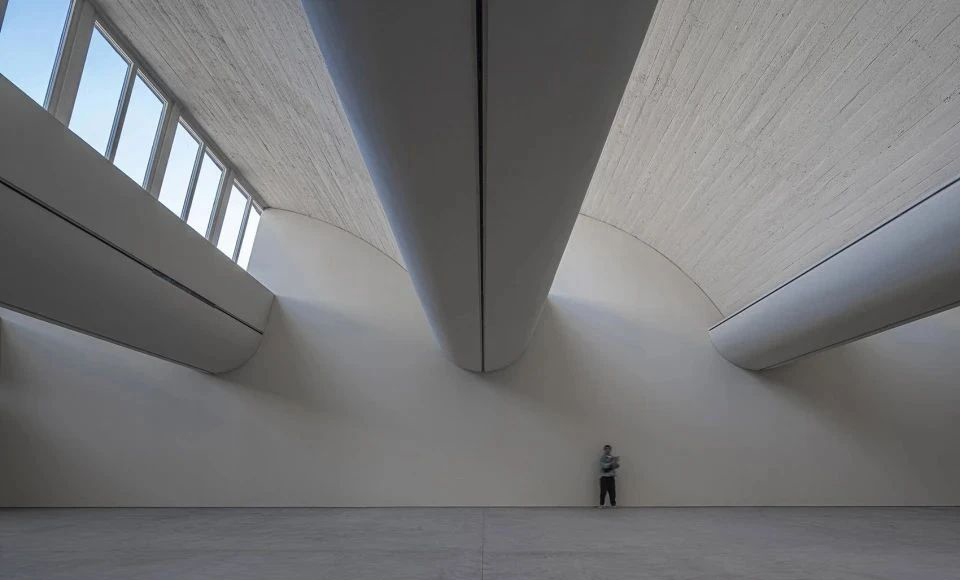
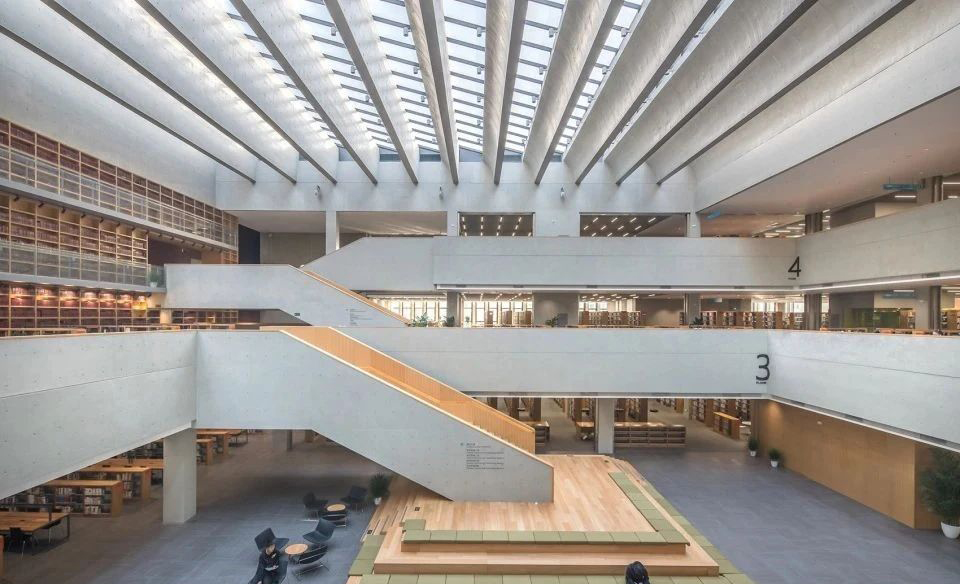
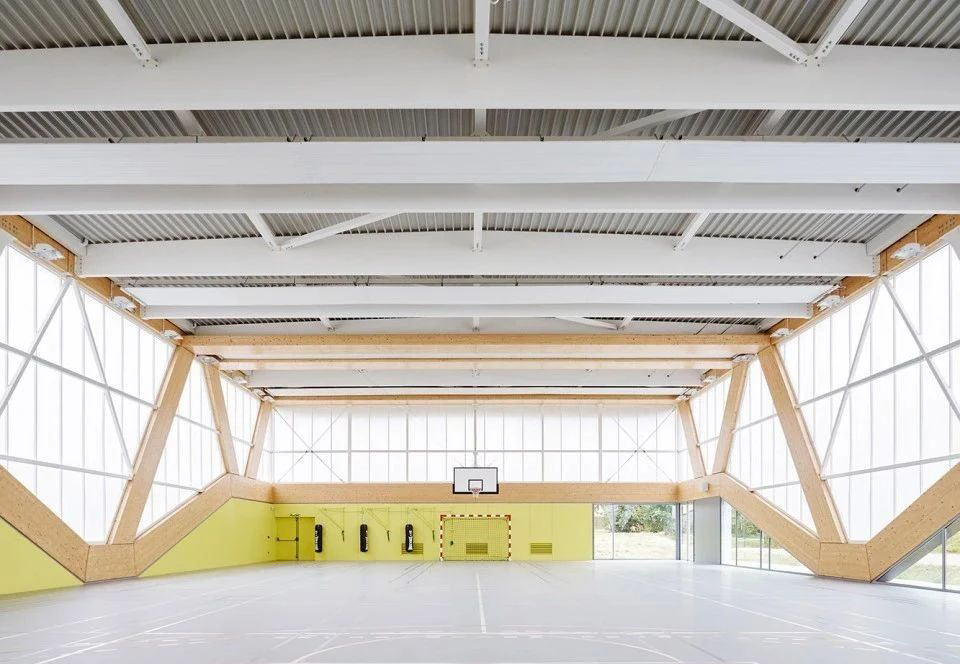
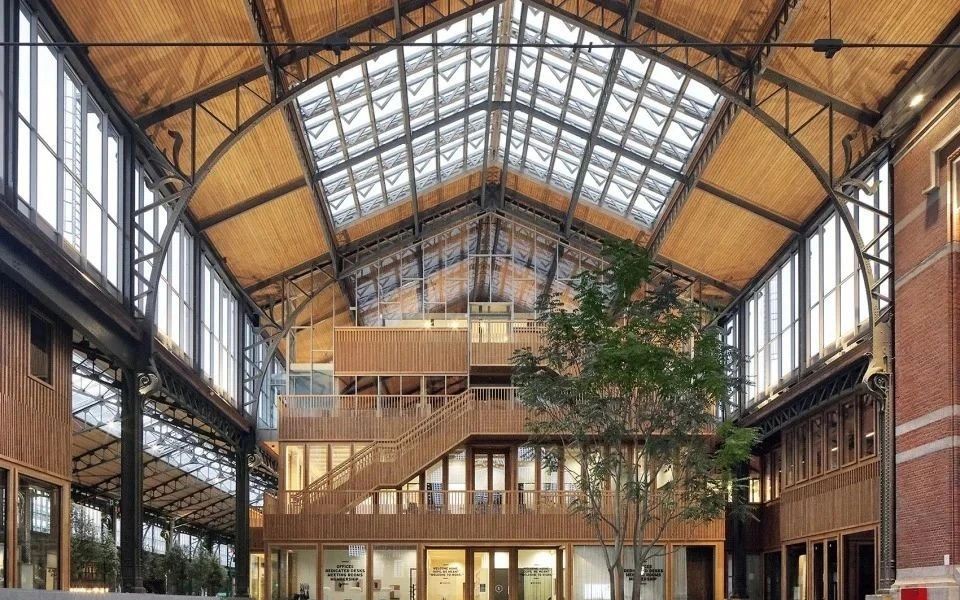
Introducing natural light through transparent materials such as glass, PC boards, and film structures reduces energy consumption for artificial lighting while avoiding glare.
Ventilation
Combining with building thermal design, natural ventilation is achieved through the opening of the roof fan, chimney effect, or mechanical assistance to improve the air quality in the atrium.
Safety protection
Consider structural wind and earthquake resistance, fall prevention (such as glass explosion-proof film, metal protective net), fire and smoke exhaust (such as smoke exhaust skylights that can be opened), etc.
Form and Aesthetics: Shaping Spatial Temperament
Corresponding to the architectural style:
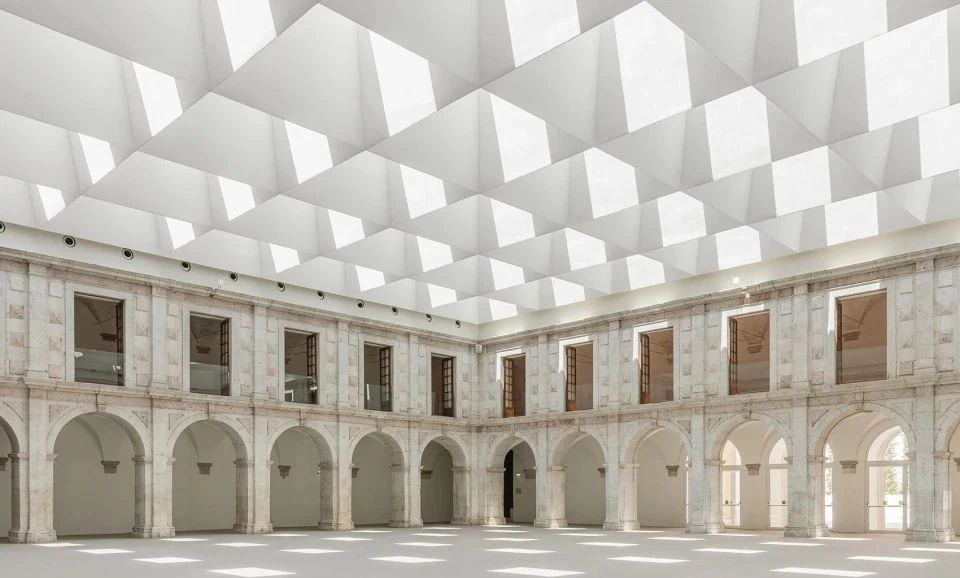
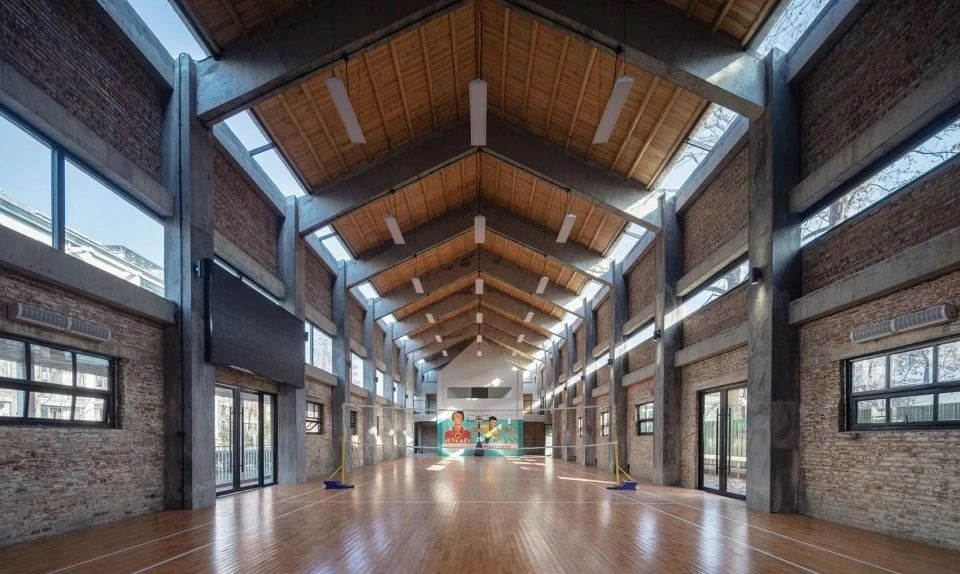
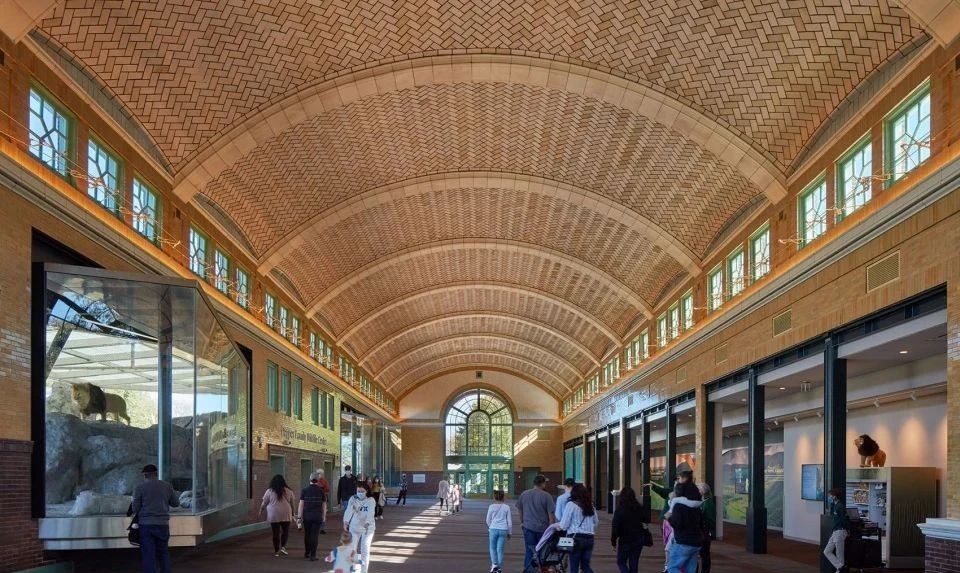
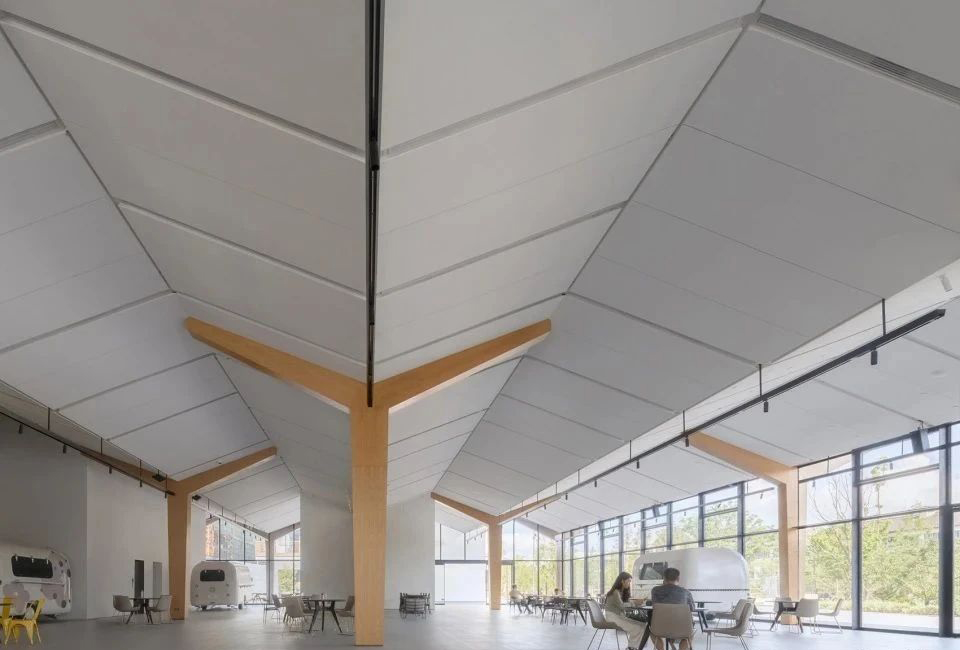
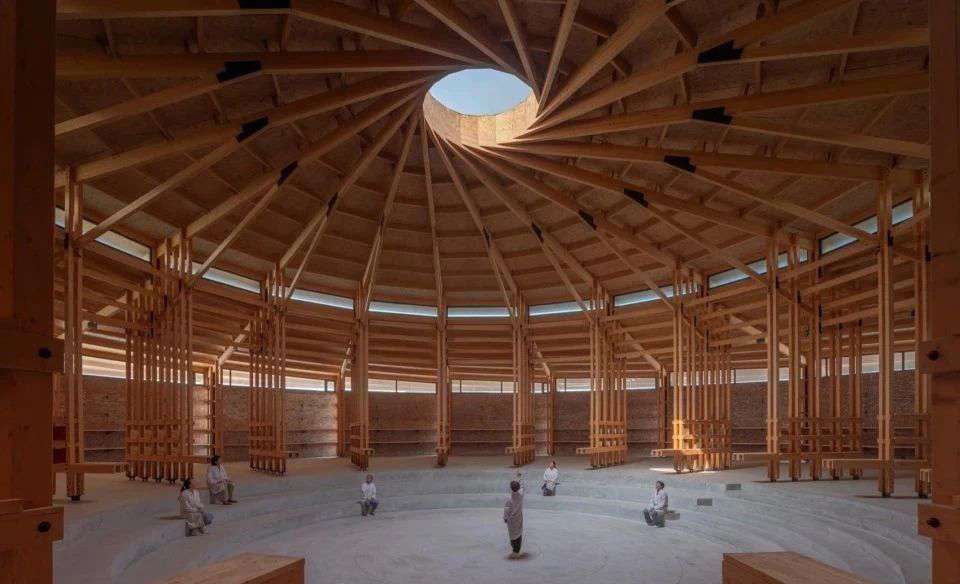
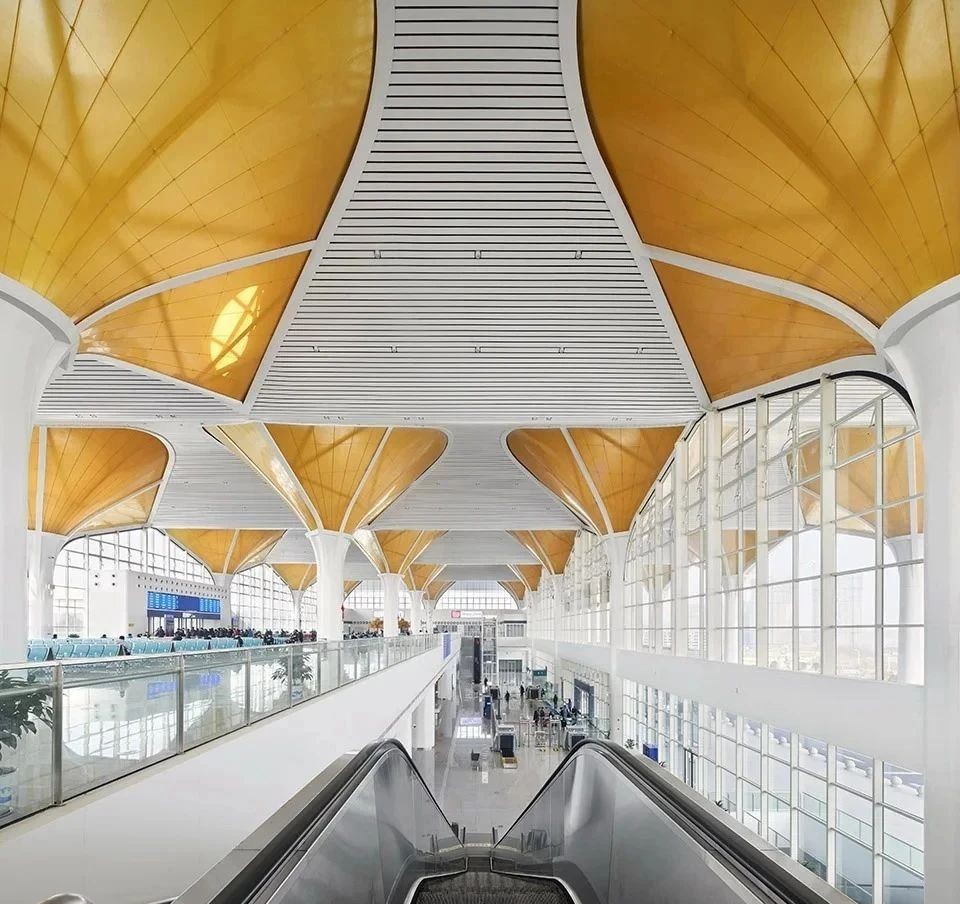
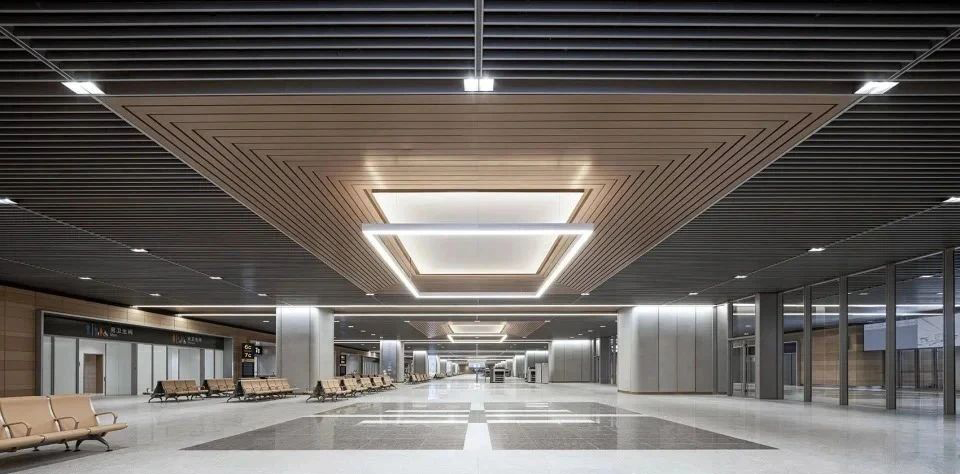
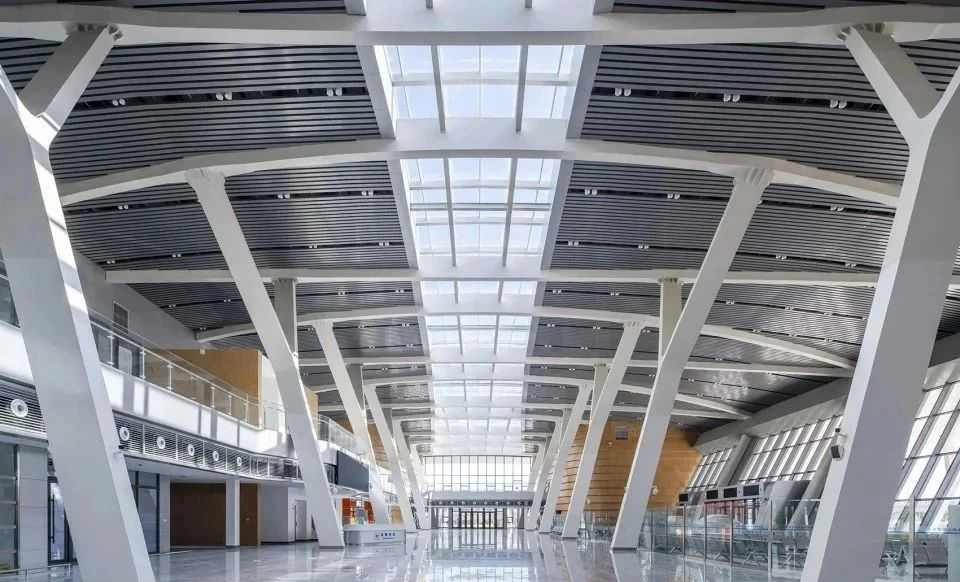
Modern style: Using simple geometric shapes such as flat tops, curved tops, and domes, combined with materials such as glass and metal frames, to create a transparent and lightweight feeling (such as the curved glass roof of Shenzhen Wanda Plaza).
Traditional style: Drawing on regional cultural elements such as Chinese style sloping roofs, arches, and wooden grilles, combined with modern materials to interpret traditional artistic conception (such as Suzhou Museum, where the courtyard sloping roof is combined with glass).
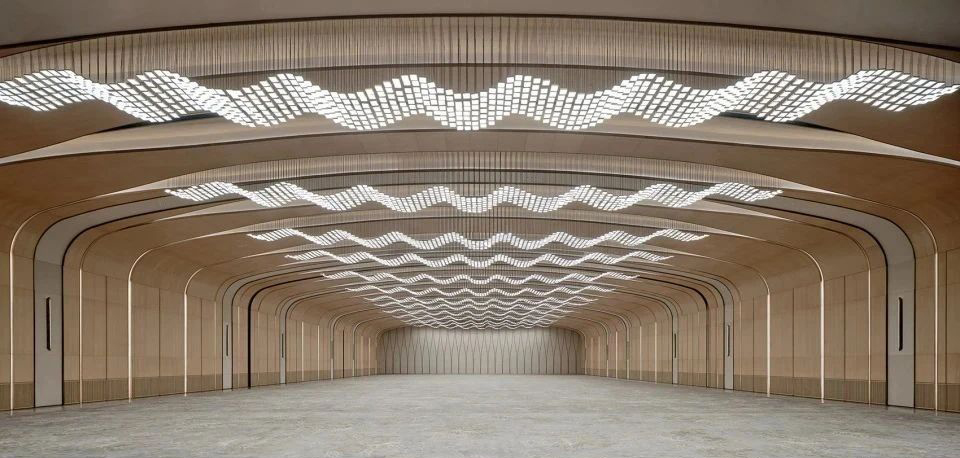
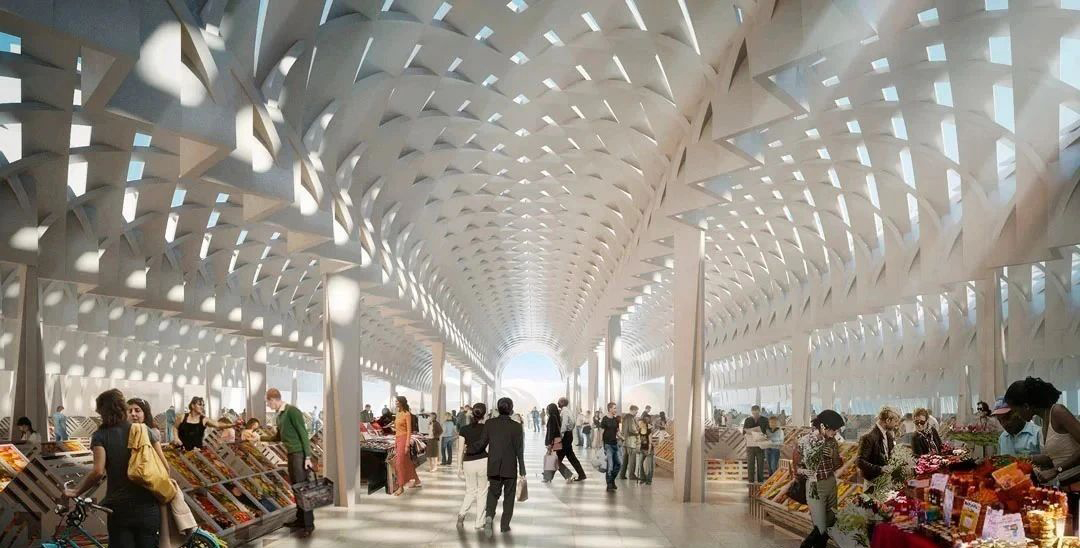
Light and shadow art creation: By using hollow patterns on the roof, colored glass, and dynamic shading devices (such as blinds and rotating blades), a light and shadow effect that changes over time is created on the courtyard floor, enhancing the fun of the space.
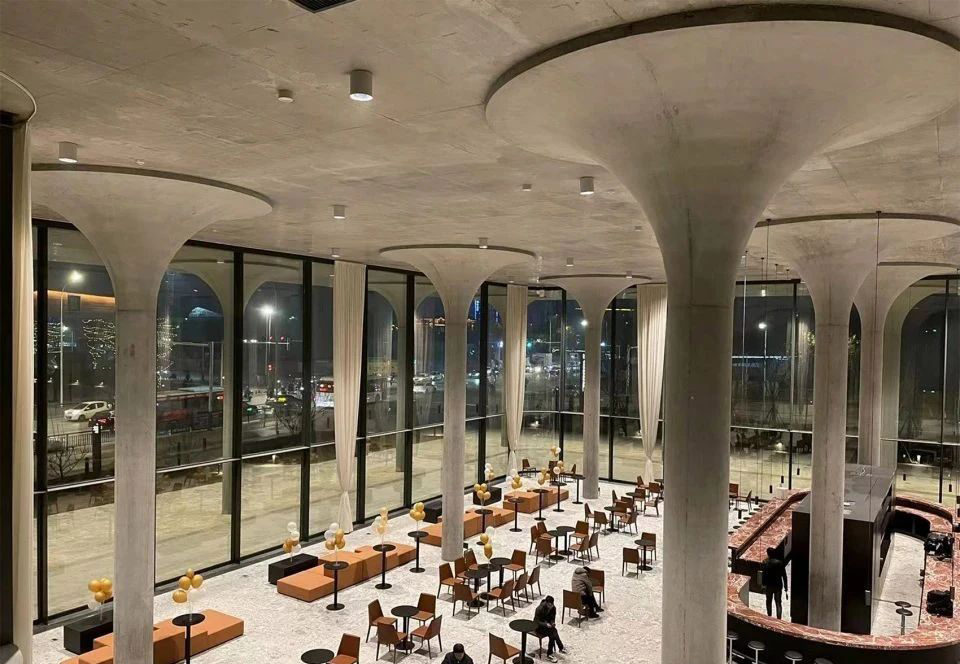
Landmark symbol: The large-span roof can be designed as a landmark element of the building (such as the "Phoenix shaped" roof in the atrium of Beijing Daxing Airport), enhancing the building's recognition.







High quality products, high-quality services and high-quality

Focus on us
HANBERT
Tel: 0757-22682270
Phone: +86-135 314 008 83
E-mail: info@hanbert-tech.com
Address: 1612,4th,building,ZhiyePlaza,Daliang,Foshan,Guangdong P.R.of china
Copyright © 2021-2026 HANBERT All Rights Reserved. 粤ICP备2021118030号  Power by:
 Hanelink.com