
As a key interface of contemporary architecture, the function of building curtain walls has evolved from basic protection to the core of shaping building performance and image. The fundamental driving force behind this evolution lies in the continuous innovation of materials - the expansion of material systems and breakthroughs in performance boundaries directly determine the energy-saving efficiency, structural safety, durability, and maintenance costs of curtain walls, while profoundly influencing the aesthetic expression of buildings. Therefore, exploring the current situation and development of wall materials is the key to understanding how modern architecture achieves unity of function and form through technological innovation.
01.
Polycarbonate solid board
Polycarbonate board (PC board) is often labeled as "cheap plastic" or "not suitable for curtain walls", which is actually a misunderstanding. It provides higher safety with far superior impact resistance than glass, while weighing only one-third of glass, significantly reducing the burden on building structures. Its light transmittance is close to glass and it has excellent thermal insulation performance.
After UV resistant treatment, the board is durable and not easily aged, and its characteristics of easy bending and forming support diverse curved surface designs. With its core advantages of lightness, safety, and energy efficiency, polycarbonate panels are creating unique light and shadow effects for modern building curtain walls, providing a more sustainable facade choice.
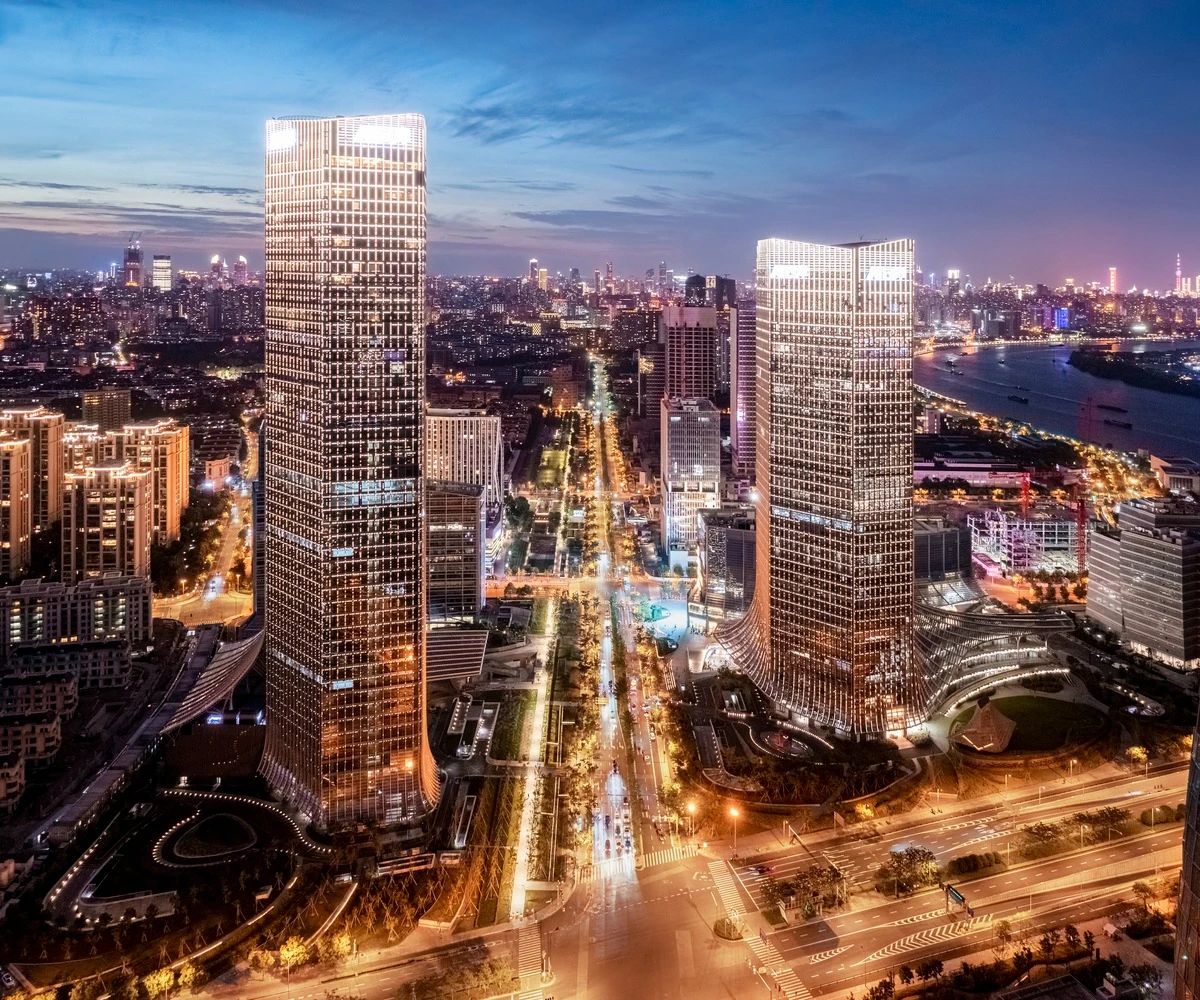
Shanghai Xi'an International Artificial Intelligence Center
Design: Nikken Design
Address: Shanghai, China
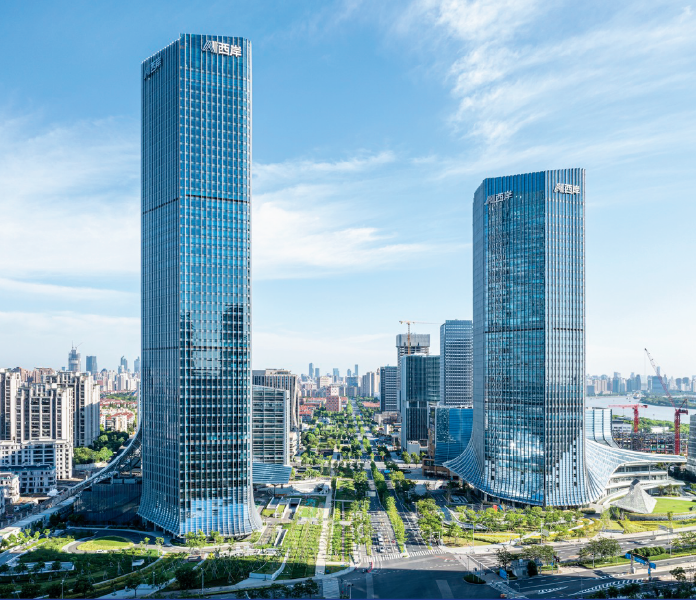
The biggest design feature of the Shanghai West Bund International Artificial Intelligence Center is inspired by "wind" - from the architectural form and facade to the public space, landscape, and interior design of the commercial area, streamlined language is used to integrate the "wind form" throughout the entire project.
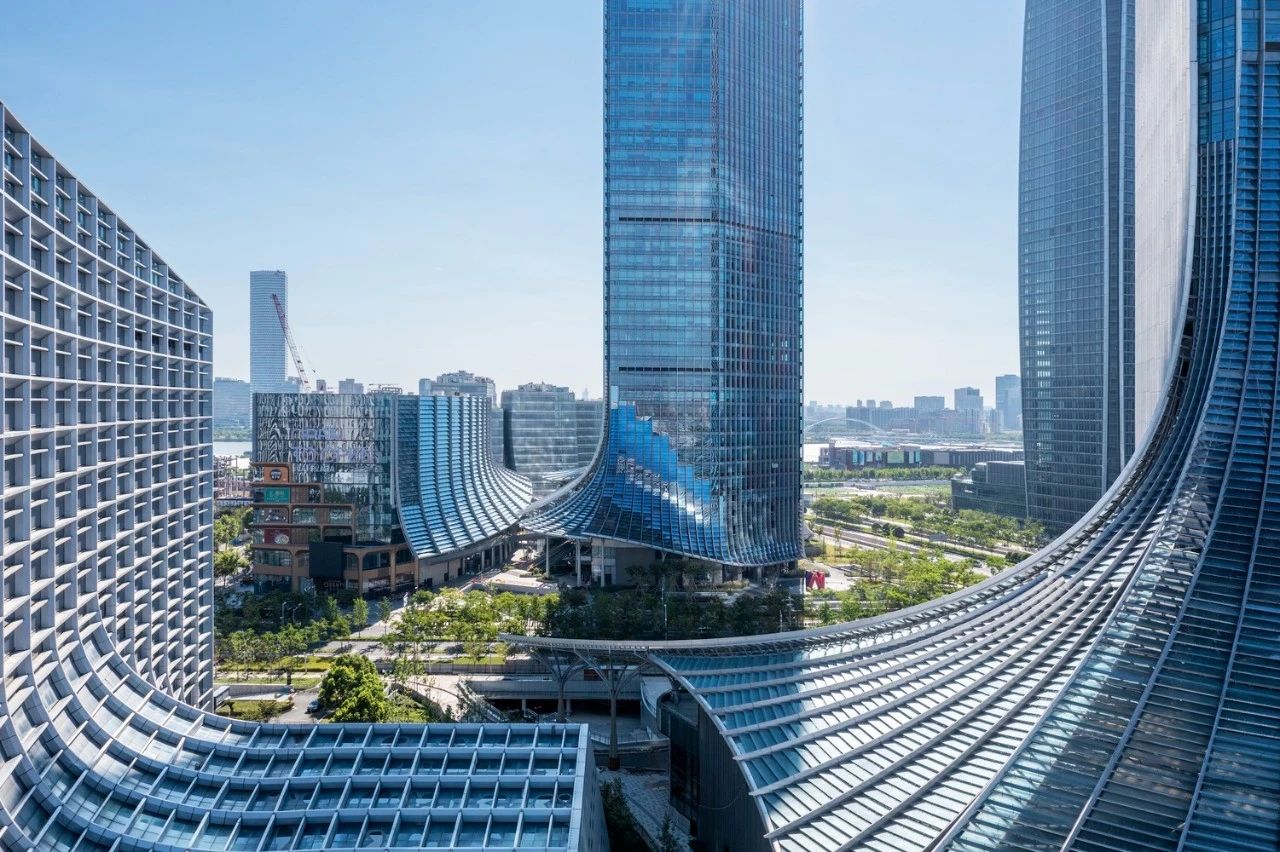
The reason why polycarbonate sheet has become the ideal choice for this project lies in its outstanding comprehensive performance. Firstly, its significant lightweight characteristics - weighing only one-third of glass at the same thickness - greatly reduce structural loads, allowing the project to abandon traditional bulky support systems (such as spherical grids required to carry glass) and instead adopt a lighter and more economical skeleton solution.
© Mintwow
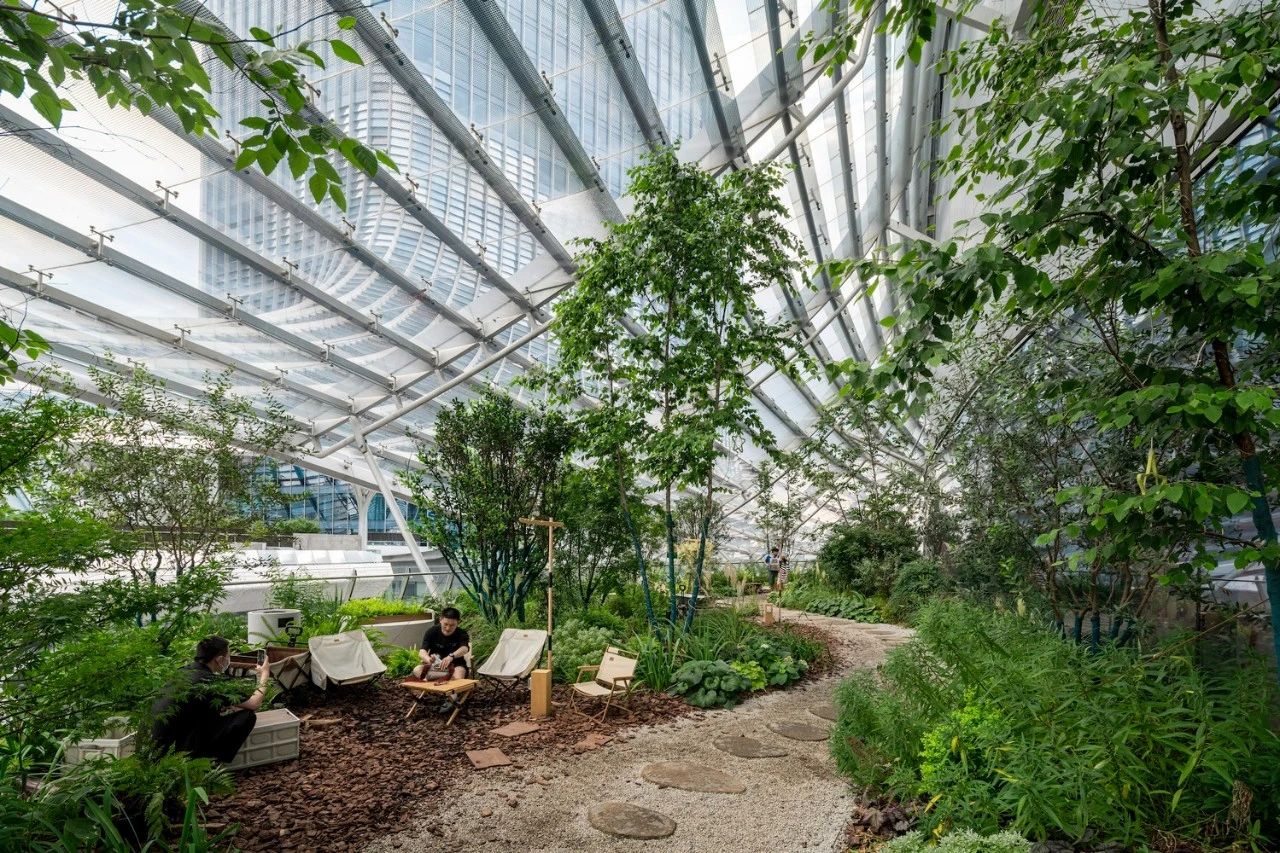
This not only efficiently meets the lighting needs of the building, but also gives the design greater freedom to achieve unique and beautiful shapes. Secondly, safety is a crucial consideration: polycarbonate sheet has an impact resistance strength of 200 to 300 times that of ordinary glass, which can effectively resist accidental impacts such as falling objects from high altitudes, fundamentally avoiding safety hazards caused by glass breakage and splashing, and providing users with solid protection.
© Mintwow

© Mintwow
In terms of visual quality, the polycarbonate solid board selected for the project has reached the top optical level, completely different from common defects such as water ripples, crystal dots, or pockmarks in the market. Its pure and transparent visual effect is sufficient to enhance the quality of glass.
© Mintwow
02.
Titanium vacuum glass
The secret of the performance of titanium vacuum glass lies in its name. The tiny gap between the two layers of glass is pumped to an ultra-high vacuum state, coupled with a titanium metal support structure, to construct an indestructible thermal and sound insulation defense line.
Its thermal insulation performance is 2-4 times higher than traditional insulated glass, which can significantly reduce energy consumption and meet the strict requirements of zero energy buildings. In addition, many attributes such as full frequency band noise reduction, ultra-low dew point, lightweight structure, safety and environmental protection have released more freedom for building curtain wall design.
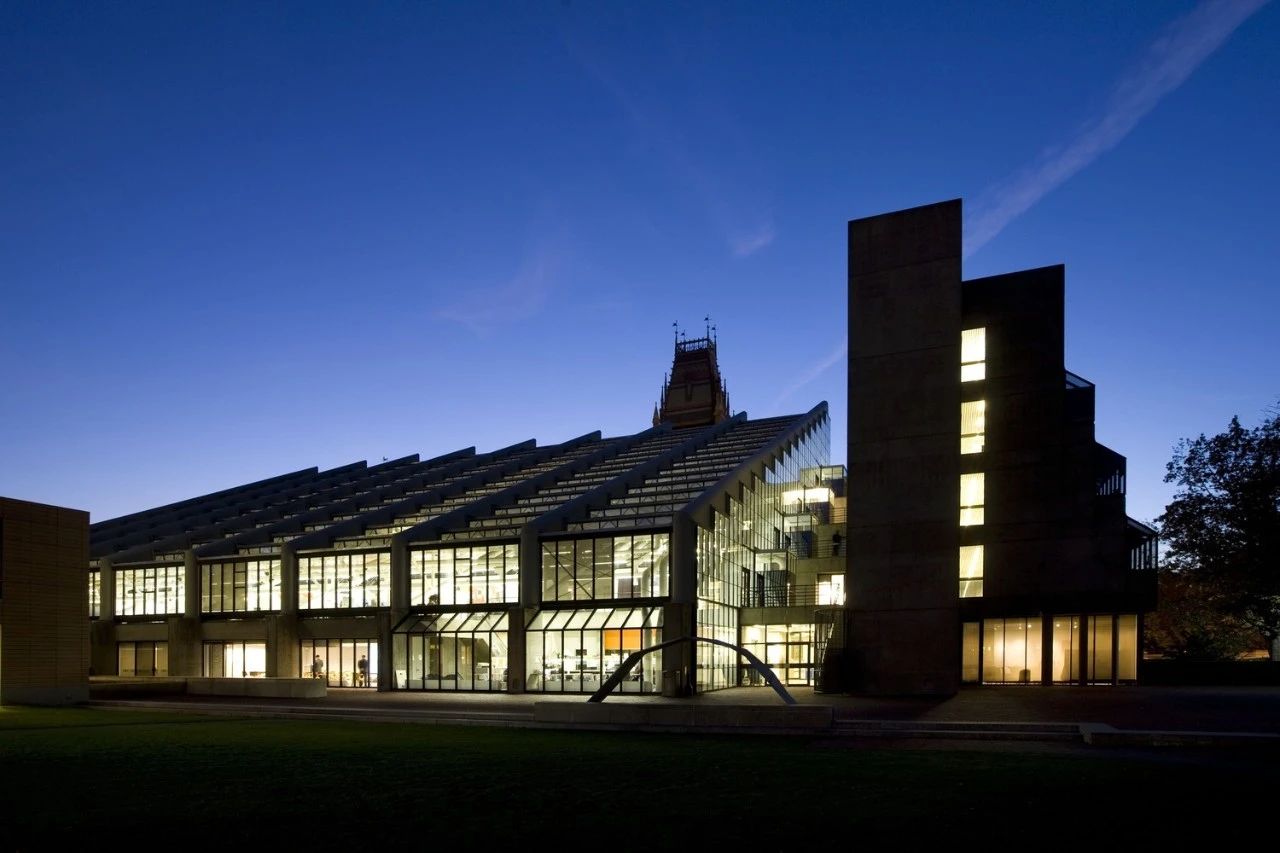
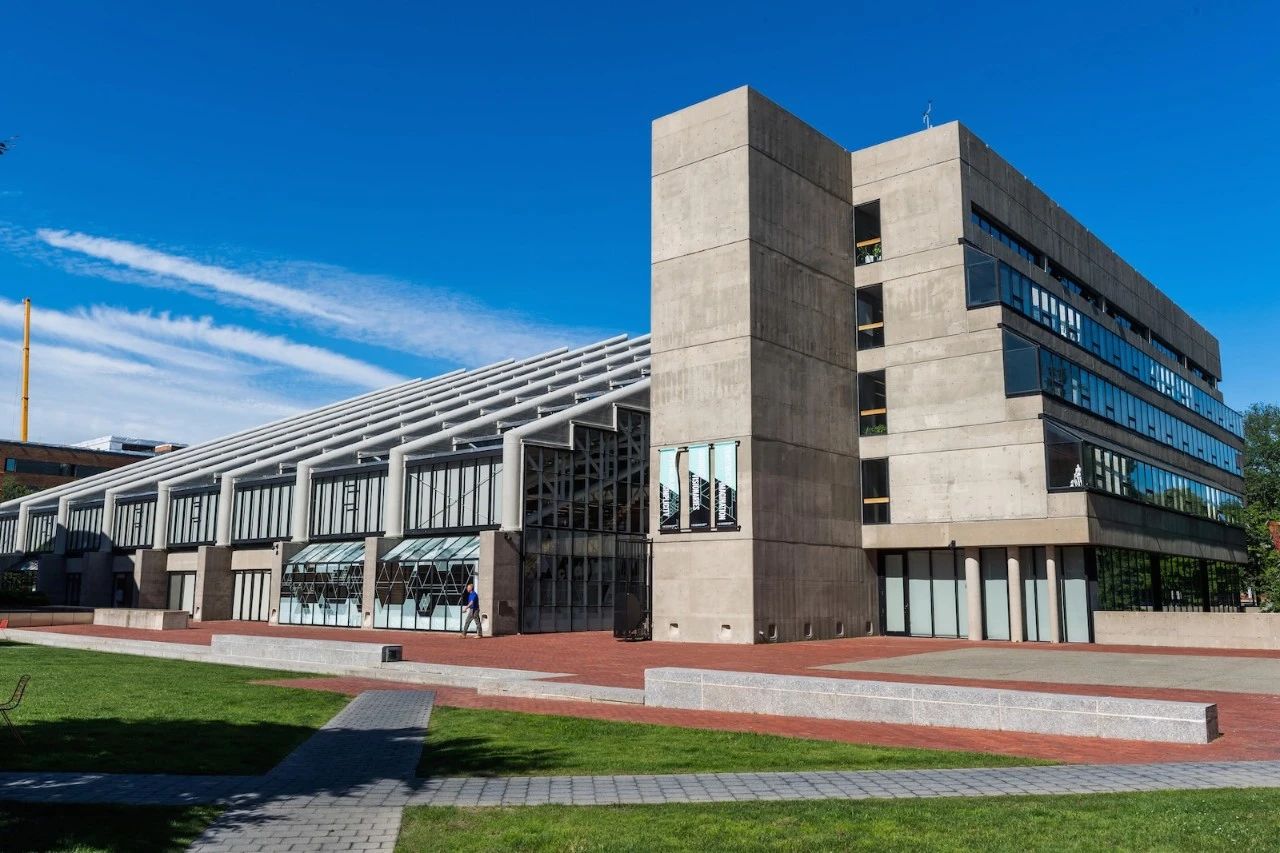
Harvard University Gondor Hall Renovation Project
Design: Herzog&de Meuron Architecture Firm, Belle Brind Bell Architecture Firm
Address: United States
©GSD
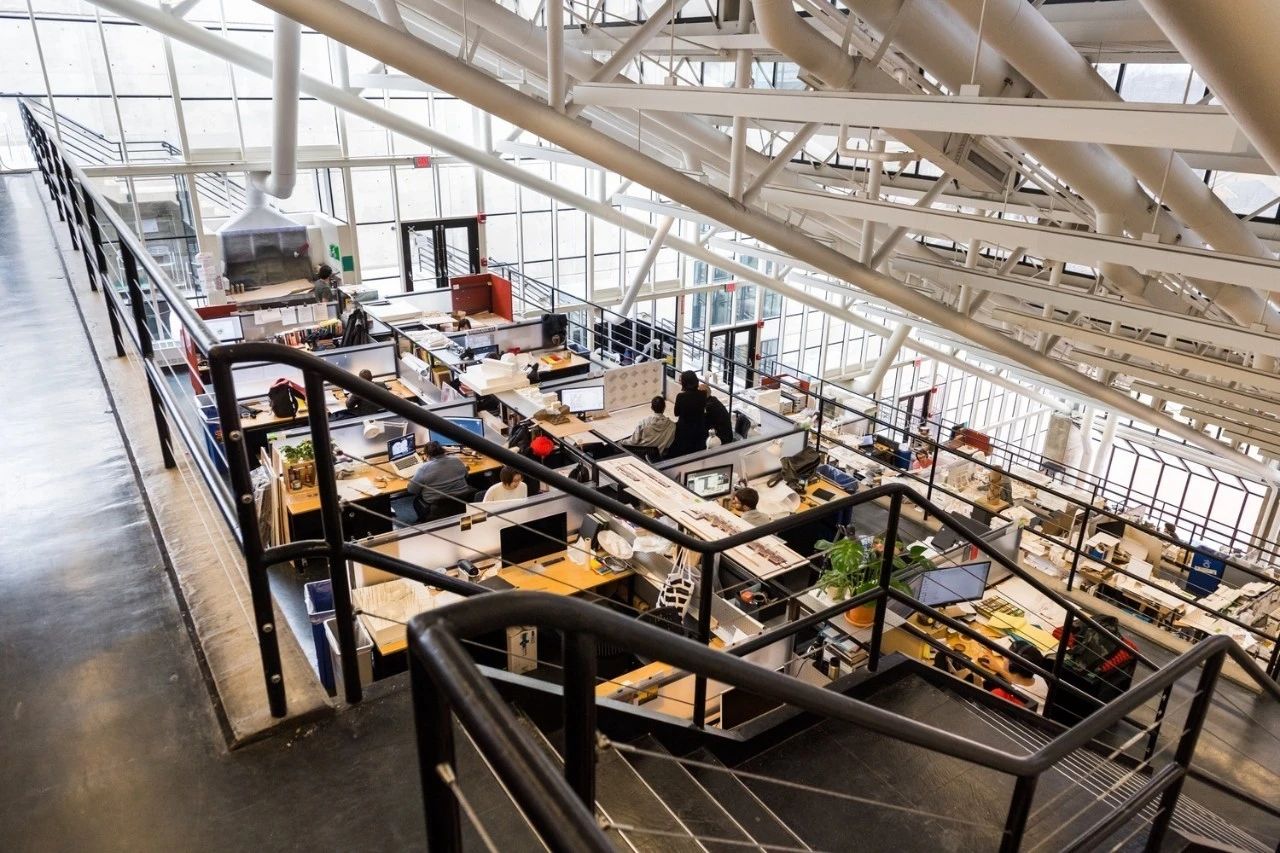
In the Harvard Gondor Hall renovation project led by Herzog and De Meuron Architects, titanium vacuum glass became an important element in activating historical buildings. This building, which carries half a century of academic memory, once faced the dilemma of high energy consumption and indoor environmental imbalance due to the lack of insulated glass and exposed concrete structure.

©GSD
The introduction of titanium vacuum glass injects new energy into it. In the design of the north and south curtain walls of the "Tray" studio, it not only gently introduces natural light with high transparency to dispel the glare caused by traditional glass, but also creates a warm, quiet, comfortable, transparent and bright creative world for Harvard teachers and students with excellent thermal and sound insulation performance.
©GSD
©GSD
From energy conservation and consumption reduction to safety protection, from space shaping to artistic expression, titanium vacuum glass is not only a cold building material, but also a creative medium that activates the vitality of buildings. It is empowering diverse scenarios such as academic halls and commercial landmarks with excellent adaptability, leading buildings towards a safer, more comfortable, and greener future.
03.
Translucent composite curtain wall
The material often mistakenly labeled as "high-end polycarbonate" is essentially a breakthrough in the field of fiber-reinforced composite materials. It significantly improves the performance of building enclosure through three core properties.
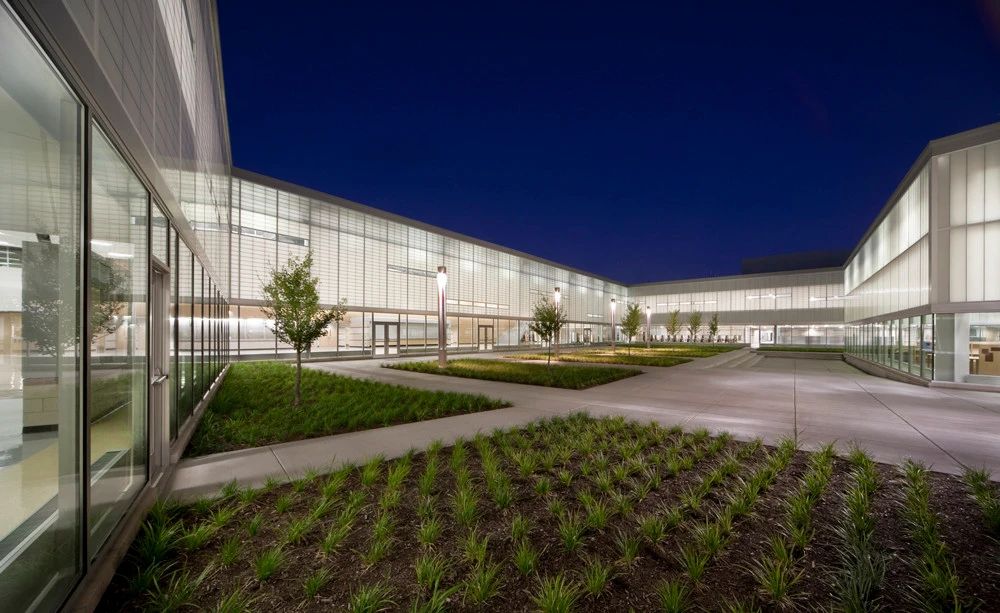
The key lies in the Nanogel in its interlayer ® Aerogel provides industry-leading thermal insulation performance -- U value as low as 0.15 W/m? K's energy-saving efficiency far exceeds that of traditional three glass two cavity glass.
©James Steinkamp
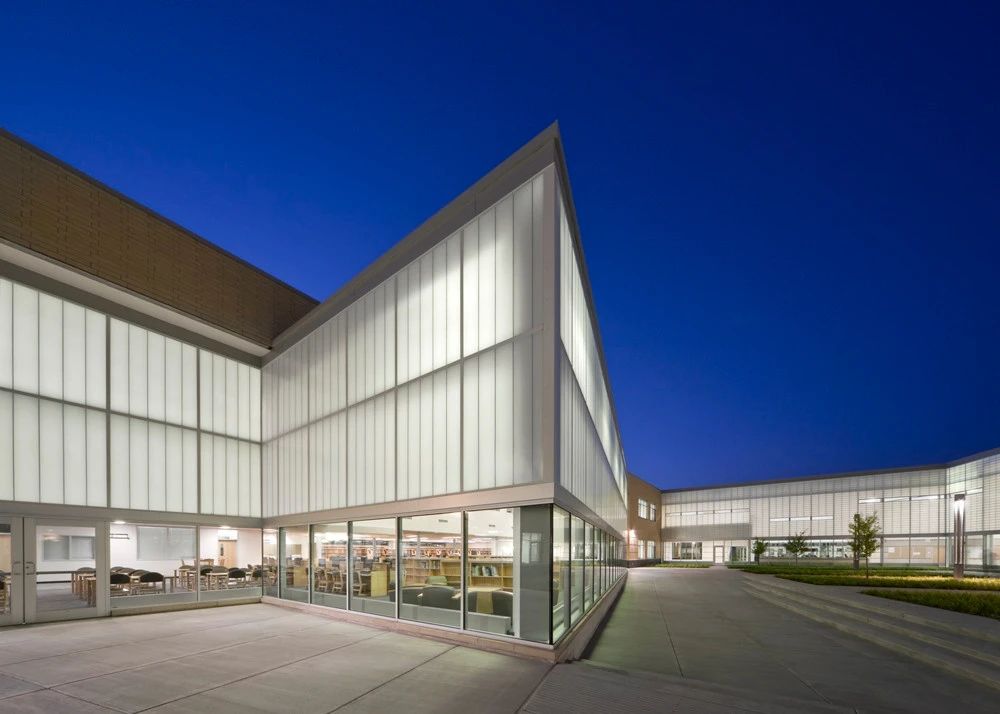
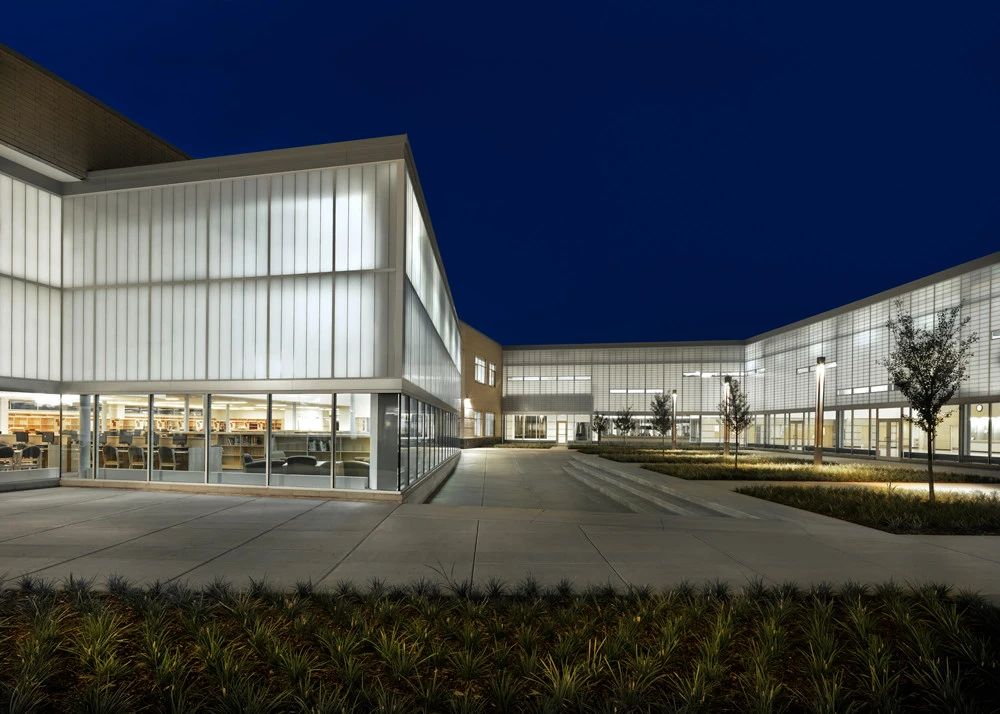
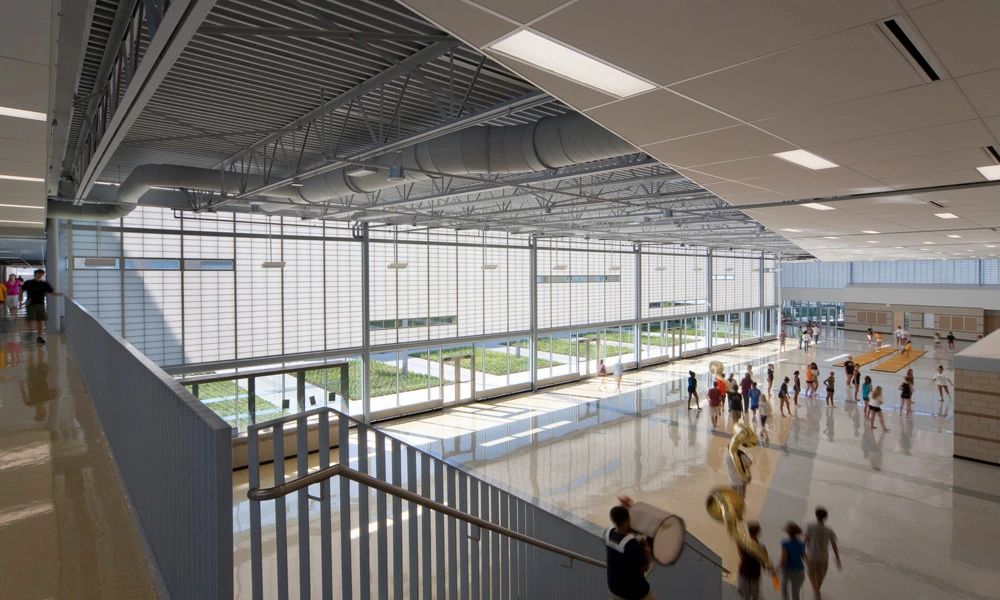
Its unique diffuse optical design efficiently converts direct sunlight into a uniform 'light mist'. This type of light can penetrate more than 30 meters into the space, completely eliminating glare and local hotspots, creating a comfortable and uniform indoor lighting environment.
What is particularly outstanding is its ultimate lightweight (weighing only a quarter of glass), making it very suitable for large-span structural applications. At the same time, its impact resistance exceeds the safety glass standard. DuPont surface covering ™ Tedlar ® PVF weather resistant film ensures long-lasting performance for up to 50 years without yellowing or aging.
Metea Valley High School Gymnasium
Design: DLR
Address: Illinois, United States
©James Steinkamp
©James Steinkamp
The Metea Valey High School Gymnasium in Illinois, USA, features a nearly 1860 square meter skylight that is lightly supported by a single layer of steel structure - the structural cross-section is reduced by 60% compared to traditional glass solutions, successfully relieving 23% of the load on the main structure.

Time provides stronger evidence: five years of continuous tracking show that the diffuse light intensity in the museum remains stable within the comfortable range of 500-750 lux, and there is no glare interference. The energy consumption of artificial lighting during daily training periods has decreased by 37%.
The thermal imaging detection in winter clearly outlines its insulation strength: the conduction rate of indoor and outdoor temperature difference drops by 42% compared to the three glass two cavity glass curtain wall. This outstanding energy-saving and lighting environment report helped the project easily achieve full marks in the LEED v4 "Energy and Atmosphere" rating.
©James Steinkamp
After ten years of wind and frost, the transmittance maintenance rate of its surface facial mask layer is still more than 89%, and no trace of crystallization or stress cracking is found, which confirms its commitment to durability over time with silent tenacity.
04.
Algae based biological reaction curtain wall
The world's first algae based bio responsive curtain wall made its debut in Hamburg in 2013. The bioreactor curtain wall of BIQ residential building has been installed. This passive energy-saving residential building is equipped with a 200 square meter integrated photobioreactor, which can generate biomass and heat energy as renewable energy. At the same time, the system also integrates additional functions such as dynamic shading, insulation, and noise reduction, fully demonstrating the potential of this technology.
BIQ HOUSE
Design: ARUP
Address: Hamburg, Germany

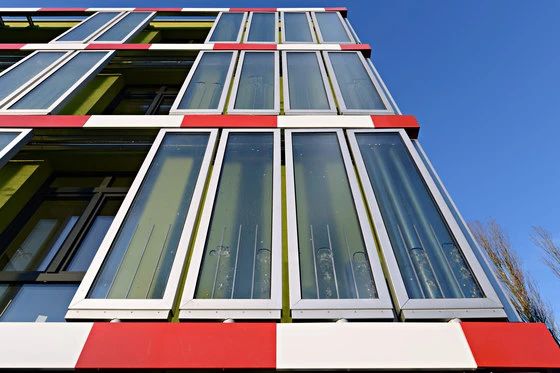
© Colt International, Arup

© Colt International, Arup
After technical optimization, the algae curtain wall system of Hamburg BIQ residential buildings has achieved significant performance improvement: the algae species have been replaced from the original Spirulina to the more cold resistant Chlorella vulgaris, which has increased winter operating efficiency by about 15%; By increasing the A | control sensor to optimize the algae liquid flow rate, the annual CO: absorption increased from 1.5 tons to 2 tons, and the proportion of hot water supply also increased from 25% to 30%. However, the system still has certain limitations: energy output still relies on external power grid supplementation, and algae maintenance costs are high, requiring a weekly manual inspection frequency.
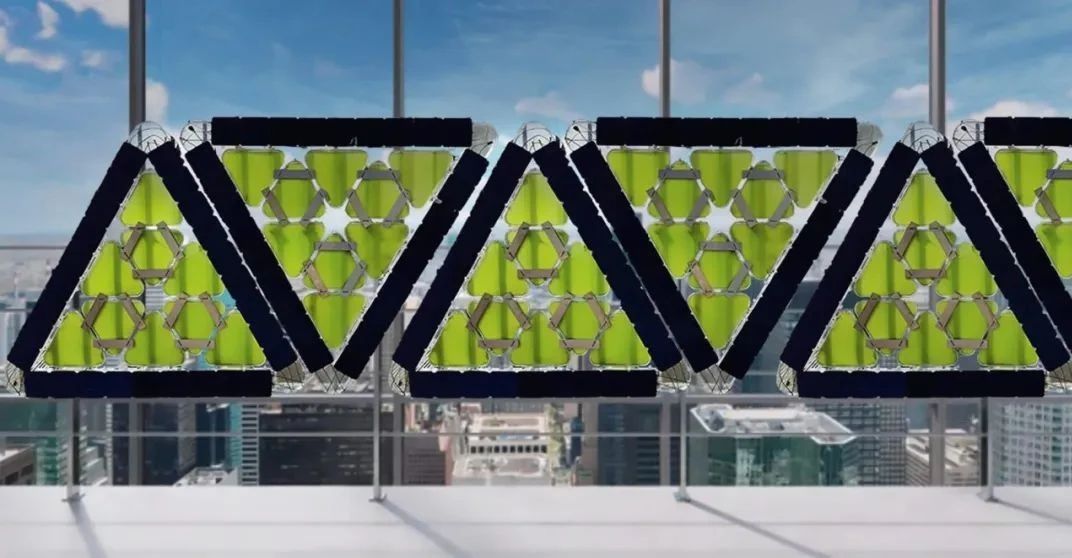
© Colt International, Arup
Currently, multiple peer companies are accelerating the commercialization process of algae building systems. Taking Greenfluidics, a Mexican company, as an example, its microalgae based bio solar building panels integrate the dual functions of photosynthesis energy conversion and carbon sequestration. Currently, it has completed the technology research and development stage and is seeking partners in the construction industry to promote practical applications. This innovative achievement represents the latest breakthrough of algae technology in the field of green building, demonstrating the commercial potential of this technology in achieving carbon neutrality goals.
05.
Decorative photovoltaic curtain wall
Not all solar panels look the same - solar curtain wall systems are breaking the stereotype of traditional photovoltaic modules. Whether it's ceramic texture, metallic luster, or other unique styles, it can all be handled with ease. This extraordinary adaptability and outstanding photovoltaic performance unlock unprecedented design freedom for architects.
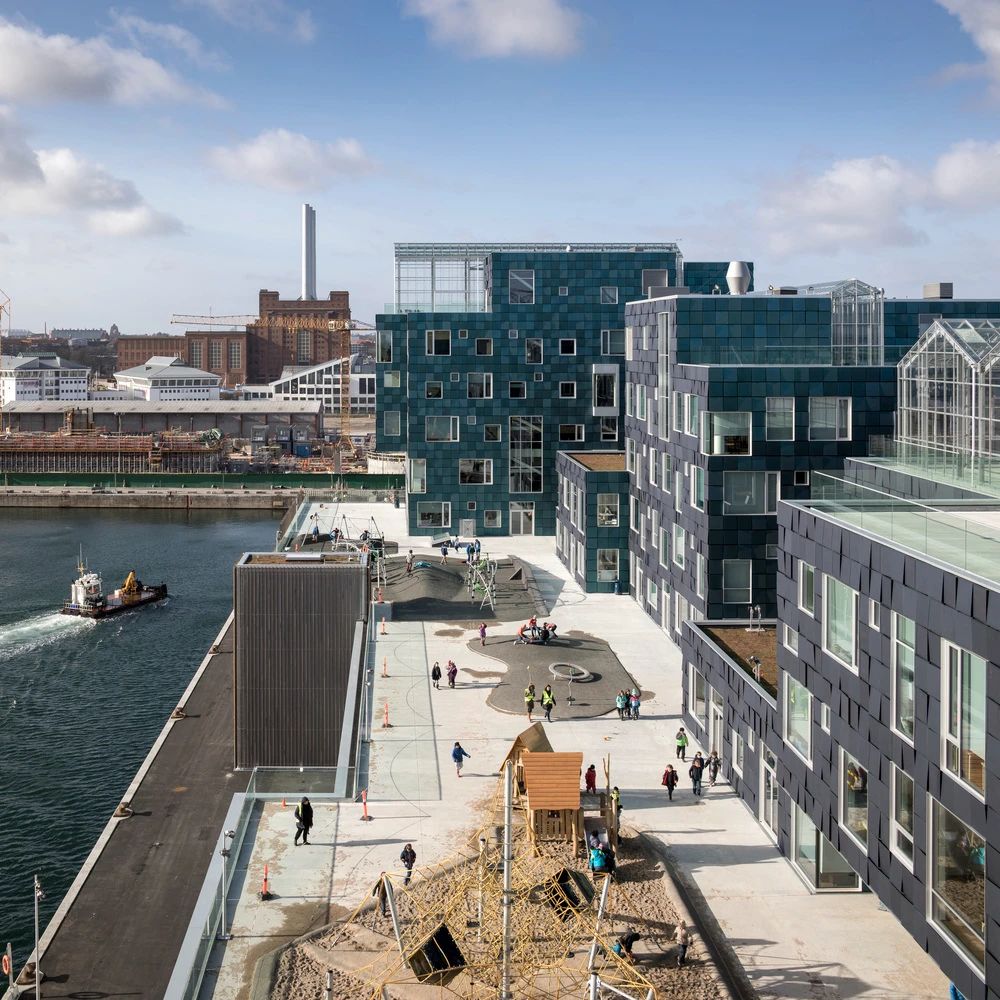
The solar curtain wall system covers various types such as curtain walls, louvers, and rain curtains, each of which has been carefully designed to flexibly integrate into various architectural contexts. Architects are free to define colors, textures, and surface treatments to create building facades that are both aesthetically pleasing and personalized. At the same time, integrating cutting-edge solar energy technology provides sustainable and reliable green energy solutions for buildings while ensuring efficient and stable power generation.
Copenhagen International School
Design by C.F. Meller
Address: Copenhagen, Denmark
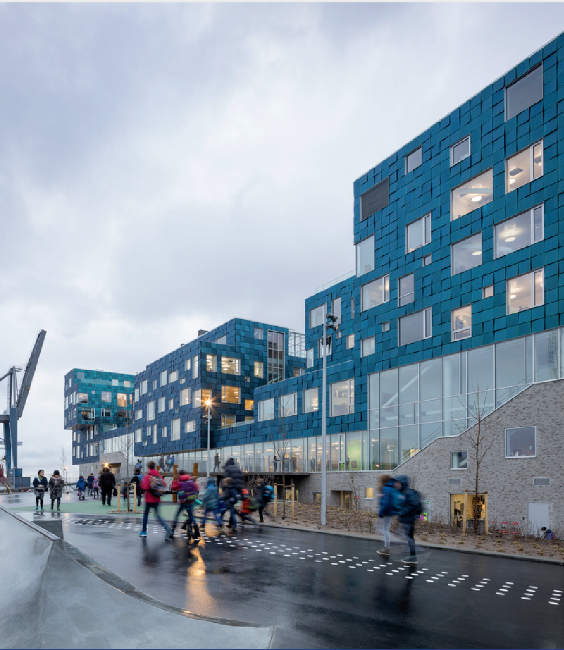
The revolutionary application of solar curtain wall systems at Copenhagen International School has set a global benchmark for building photovoltaic integration (BIPV). The project creatively lays 12000 sea blue customized photovoltaic curtain wall panels, whose glaze color inspiration comes from the adjacent Baltic Sea. Through exclusive nano coating technology, it maintains a high photovoltaic conversion rate of 20% (conventional photovoltaic panels) while transforming energy infrastructure into an architectural aesthetic carrier.
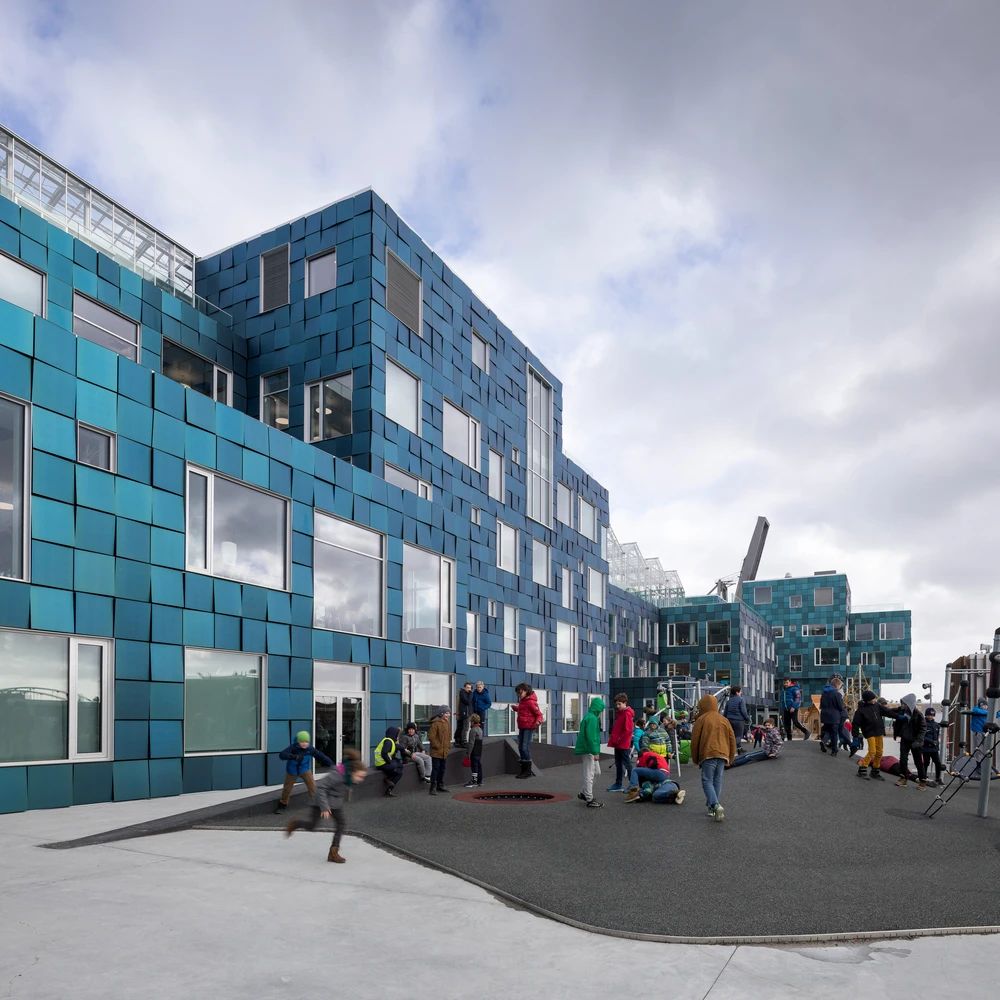
©Adam Mork
The curtain wall unit is assembled into a wave shaped three-dimensional skin with a 55 ° intelligent tilt angle, which not only echoes the ocean image, but also improves the annual power generation efficiency by 21% (compared to the vertical scheme) for Denmark's low latitude sunshine conditions. The annual power generation exceeds 300 megawatt hours, meeting more than 50% of the school's electricity demand, equivalent to reducing carbon emissions by 120 tons per year.
The synchronized integrated photovoltaic louver system can automatically adjust the angle, block 80% of direct heat load in summer, and reduce indoor artificial lighting energy consumption by 30% through diffused light, achieving coordinated optimization of power generation, shading, and lighting. The photovoltaic skin also serves as an "active insulation layer", which can reduce the surface temperature of the exterior wall by up to 15 ° C in summer.
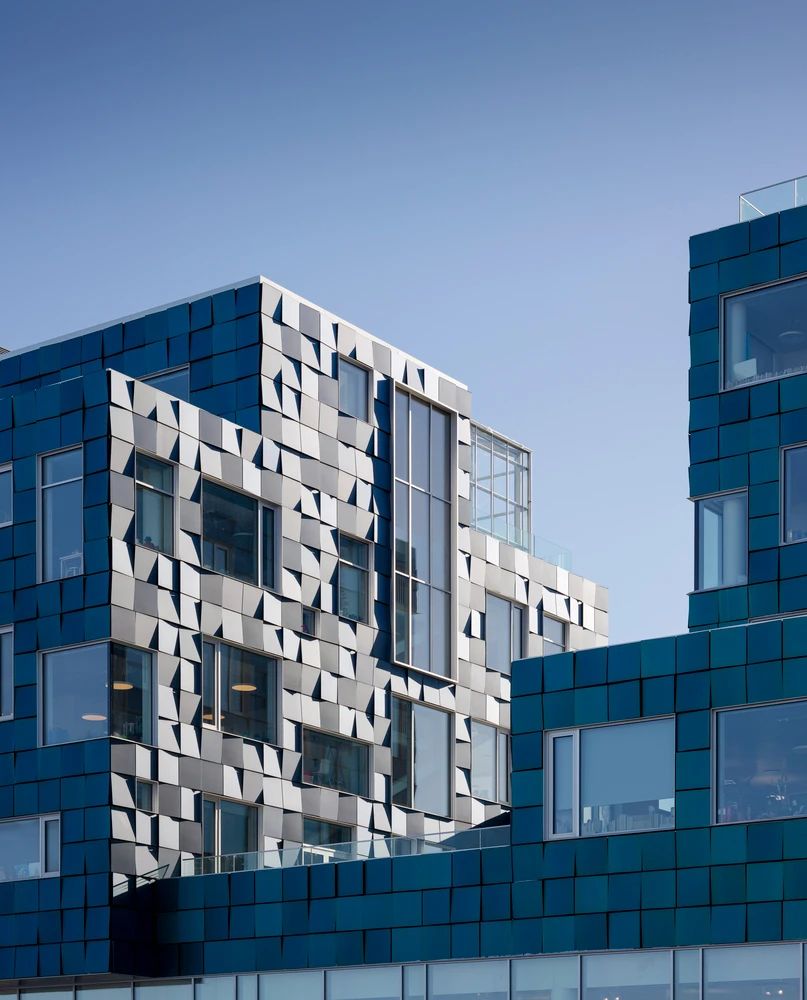
©Adam Mork
The project also transforms technology into an educational medium - real-time display of power generation data on the facade becomes a "living textbook" for students' sustainable education. Ultimately, with the triple achievements of energy self-sufficiency, aesthetic breakthroughs, and humanistic values, it has won the highest DGNB Platinum certification for sustainable buildings in Denmark and is praised by the international industry as a "marine sculpture that can generate electricity".
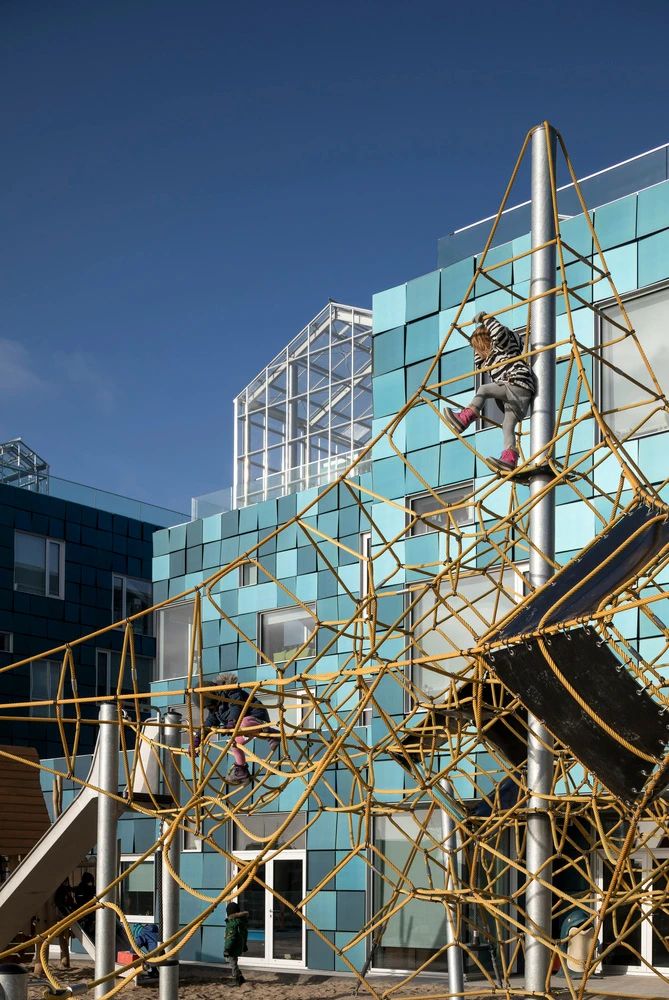
©Adam Mork
The solar curtain wall system is not only highly flexible in design, but also performs well in environmental protection. The curtain wall panels are made of at least 40% recycled materials and produced using sustainable energy throughout the entire process, effectively reducing the impact on the environment. In addition, the efficient photovoltaic performance of the system means that buildings can significantly reduce their dependence on primary energy, lower carbon emissions, and achieve the goal of green buildings.

High quality products, high-quality services and high-quality

Focus on us
HANBERT
Tel: 0757-22682270
Phone: +86-135 314 008 83
E-mail: info@hanbert-tech.com
Address: 1612,4th,building,ZhiyePlaza,Daliang,Foshan,Guangdong P.R.of china
Copyright © 2021-2026 HANBERT All Rights Reserved. 粤ICP备2021118030号  Power by:
 Hanelink.com